


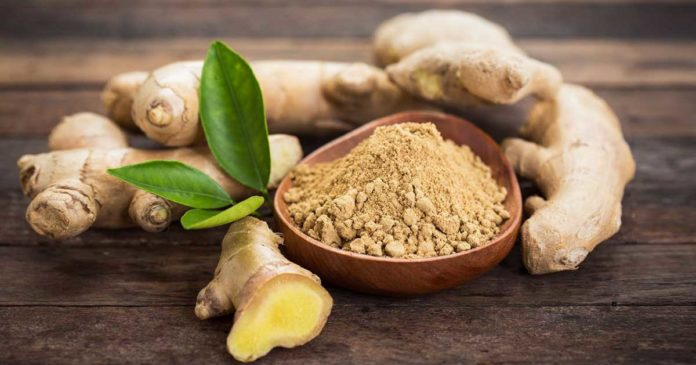
Ginger is a particularly common ingredient in India and Asia, and it has been used for centuries for its unique properties. Its aroma is distinct and peculiar; all the beneficial properties of this plant are in the ginger roots.
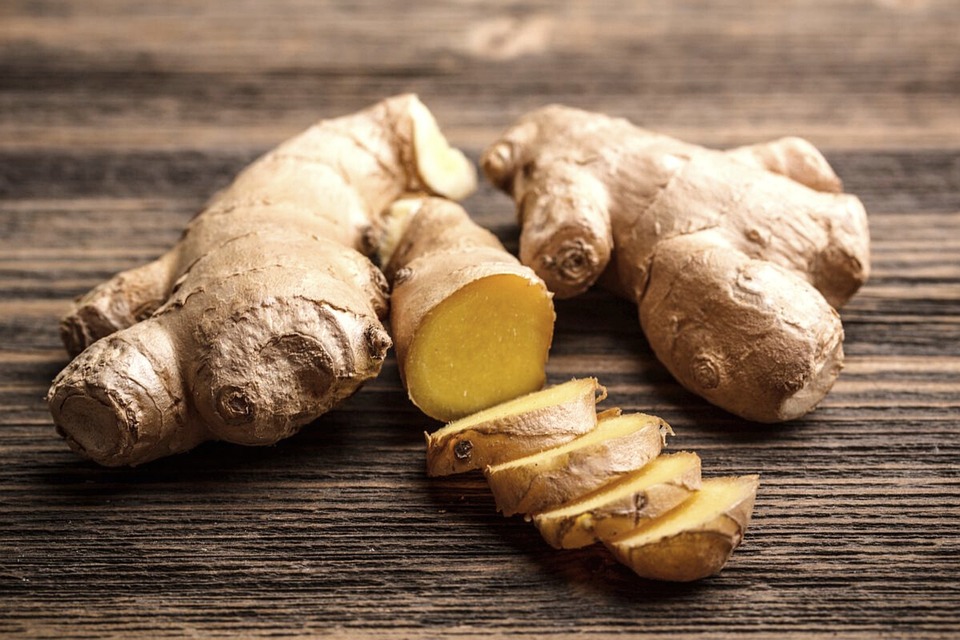
Ginger is known as a remedy for the stomach and the digestive system in general. You can easily get rid of the feeling of discomfort by using it; just drinking its tea is enough. After drinking it, the feeling of nausea will be reduced, a fact confirmed by studies involving pregnant women.
Ginger also reduces muscle pain; due to its unique properties, if you consume the daily norm, you will reduce osteochondrosis and knee pain.
Ginger will save you from numerous diseases, for example, it reduces the risk of cardiovascular diseases by 10%.
You can include this plant not only as a tea but also as a ground spice in your daily diet. Its active components help the body slow down the aging process and improve brain function.
Keep this information in mind and try to use ginger often, drink tea, eat dishes, and be healthy using this completely natural ingredient!
Ginger has long been celebrated for its distinctive, spicy flavor and a wide array of health benefits. Originating from Southeast Asia, this versatile root has been a staple in traditional medicine and cuisine for thousands of years. From its use in Ayurvedic medicine to its modern-day applications, ginger’s unique properties are attributed to its active compound, **gingerol**, a powerful bioactive substance with potent anti-inflammatory and antioxidant effects. The remarkable benefits of ginger are not just folk remedies; many are backed by extensive scientific research, making it a valuable addition to a health-conscious lifestyle.
One of ginger’s most well-known and scientifically supported benefits is its ability to soothe the digestive system. As the original text notes, it is a fantastic remedy for stomach discomfort. Gingerol, along with other compounds in the root, helps to stimulate the digestive process and accelerate the emptying of the stomach, which can provide relief from indigestion and bloating. This is why ginger is a common remedy for nausea and morning sickness. Studies have confirmed that ginger can significantly reduce feelings of nausea in pregnant women, making it a safe and natural alternative to some medications. It is also highly effective in combating nausea related to motion sickness, chemotherapy, and post-surgery recovery. Simply sipping on ginger tea or consuming a small amount of fresh ginger can work wonders for an upset stomach.
In addition to its digestive properties, ginger is celebrated for its ability to reduce pain and inflammation. The text mentions its use for muscle pain, and this benefit is primarily due to its anti-inflammatory effects. Chronic inflammation is a key driver of many diseases, and gingerol helps to inhibit the production of inflammatory compounds in the body. While it cannot cure or eliminate conditions like osteochondrosis, its anti-inflammatory properties can be incredibly effective in managing pain associated with various musculoskeletal issues, including osteoarthritis and general muscle soreness. For athletes or anyone who experiences post-workout muscle pain, consuming ginger can help speed up recovery and reduce discomfort. A regular intake of ginger, whether as a spice in your meals or as a tea, can contribute to reducing inflammation throughout the body.
The benefits of ginger extend to cardiovascular wellness as well. While the claim that it reduces the risk of heart disease by a specific percentage should be viewed as part of a broader healthy lifestyle, ginger does contain properties that may support heart health. Research suggests that ginger may help lower blood pressure, improve blood lipid profiles, and prevent blood clots. It is thought to have a mild blood-thinning effect, which can reduce the risk of clot formation and, consequently, lower the risk of heart attacks and strokes. The key to these benefits is consistent, moderate consumption as part of a balanced diet, not as a standalone cure. Incorporating ginger regularly can contribute to a healthier cardiovascular system by working in concert with other heart-healthy foods.
Furthermore, ginger’s antioxidant properties are a key factor in its ability to support overall health and potentially slow down the aging process. The powerful antioxidants in ginger help to neutralize harmful free radicals in the body, which are molecules that cause oxidative stress and cellular damage. This damage is a primary contributor to aging and the development of chronic diseases. By reducing oxidative stress, ginger may help to maintain the health of your cells and tissues, supporting a more youthful and vibrant body. This antioxidative effect also plays a role in supporting brain function. Studies have indicated that ginger may help improve cognitive function and memory, especially in middle-aged and older women, by protecting the brain from oxidative stress.
The versatility of ginger makes it easy to incorporate into your daily routine. As the original text correctly states, you don’t have to limit yourself to just ginger tea. Fresh ginger root can be grated into stir-fries, soups, and curries, adding a zesty and aromatic flavor. Ground ginger is an excellent spice for baking, marinades, and seasoning. For those who want a quick and easy way to get their daily dose, ginger tea is a fantastic option. You can make it by steeping slices of fresh ginger in hot water, with an optional addition of lemon and honey for extra flavor and health benefits. However, it is also important to be mindful of your intake. Excessive consumption of ginger can sometimes lead to mild side effects like heartburn, gas, or diarrhea. As with any food, moderation is key.
In conclusion, ginger is far more than just a flavor enhancer. It is a natural powerhouse of health benefits, from its well-documented ability to soothe digestive issues and reduce nausea to its potent anti-inflammatory and antioxidant properties. By including ginger in your daily diet, you can support your digestive system, help manage pain, and contribute to your cardiovascular and cognitive wellness. This natural ingredient, used for centuries in traditional medicine, offers a simple and delicious way to invest in your health. As with any health-related information, it is always a good practice to consult with a healthcare professional before making significant changes to your diet, especially if you have pre-existing medical conditions or are taking medications.